The Rhythm of Kyoto After Rain
Reflections on wet cedarwood, mist creeping through the Higashiyama hills, and the subtle acoustics of temple courtyards.
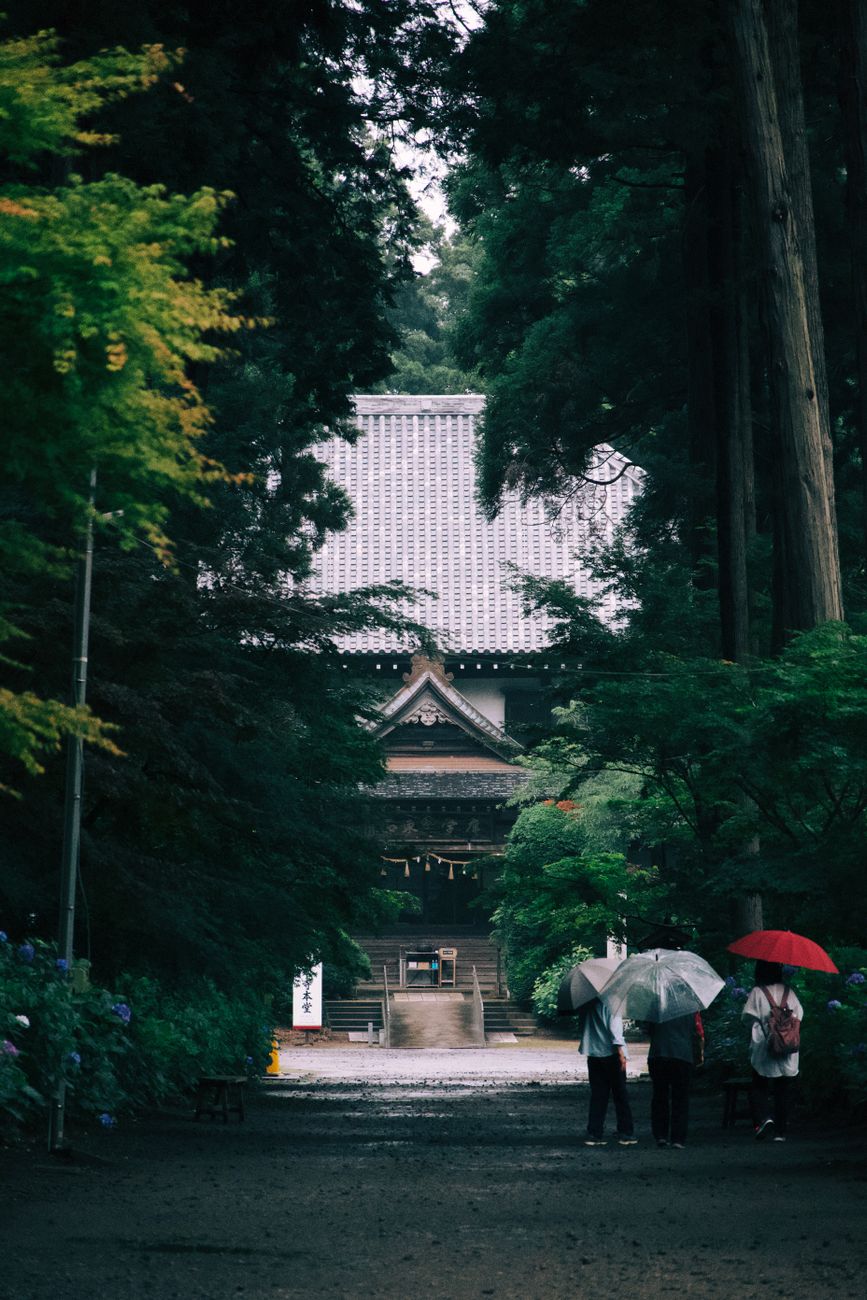
Kyoto does not shout its beauty; it whispers through texture and evaporation. When rain descends upon the Kansai basin in late autumn, it is not an obstacle to exploration, but its catalyst. The tourist coaches disperse, the asphalt streets turn to reflective dark obsidian, and the ancient cedar rafters of the temples take on a deep, aromatic resonance that stays in one's memory long after returning home.
The Philosophy of Wet Hinoki
Entering the secluded gardens of Daitoku-ji shortly past dawn, the soundscape is dominated by water drips rolling off sculpted pine needles onto raked gravel. In traditional Japanese architecture, the eaves are extended intentionally low—creating an intermediate threshold known as the engawa. Sitting on this polished wooden veranda, the boundary between interior contemplation and wild nature dissolves entirely.
"Rain is not the cancellation of the day; it is the arrival of depth, darkening the moss and silencing everything non-essential."
Micro-Climates and Fermented Flavors
The moisture also governs Kyoto's culinary pulse. In the small alleyways of Gion and Pontocho, steam drifts out of noren curtains. The seasonal Kaiseki menu shifts to dashi broths enriched with wild maitake mushrooms, simmered taro root, and delicate freshwater river fish grilled over white binchotan charcoal. The tactile temperature contrast between the cool mountain air outside and the hot claypot broth inside is the pinnacle of Japanese sensory hospitality (omotenashi).
For the intentional traveler, exploring Kyoto during rainfall means packing unhurried hours, a sturdy pair of slip-on shoes for temple thresholds, and a notebook ready to absorb the cadence of one of the world's most poetic cultural capitals.